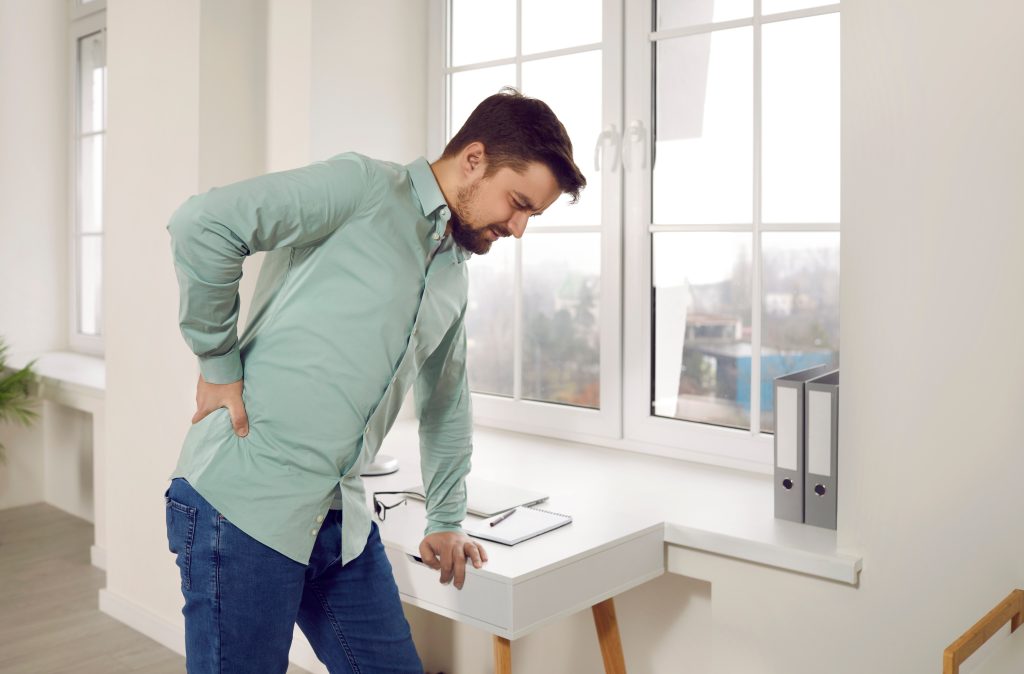
Back Pain While Walking Isn’t Something to Ignore
Walking is one of the most natural and beneficial forms of exercise. It helps maintain joint mobility, strengthens muscles and supports overall health. Because of this, many people are surprised or concerned when walking itself begins to cause back pain.
You may notice discomfort in your lower back after walking a short distance, or perhaps pain that gradually builds the longer you stay on your feet. For some people the pain eases when they sit down or bend forward, while others feel stiffness or aching in the back after activity.
If you’ve experienced this, you might be wondering:
“Why does my lower back hurt when I walk?”
Back pain during walking can have several different causes, ranging from muscle fatigue to issues affecting the spine or surrounding joints. Understanding the cause is the first step toward improving your symptoms.
At Falcon Health, clinicians regularly assess patients who experience pain during everyday movements such as walking. In many cases, identifying the underlying cause may help guide appropriate management and improve comfort during movement.
In this guide, we’ll explore why walking may trigger back pain and what treatment options may help.
Why Walking Can Trigger Back Pain
Walking places repeated mechanical stress on the body. With each step, the spine, hips and muscles absorb impact and work together to stabilise the body.
If any part of this system isn’t functioning properly, the spine may experience increased strain.
For example:
- Weak supporting muscles may cause the lower back to overwork
- Restricted joints may limit normal movement
- Nerve irritation may cause pain during activity
These factors can cause discomfort that appears specifically while walking or standing for extended periods.
Common Causes of Back Pain When Walking
Several conditions may contribute to lower back pain during walking.
Muscle Fatigue or Weak Core Muscles
The muscles around the abdomen and lower back help support the spine while walking.
If these muscles are weak or fatigued, the lower back may take on more of the workload. Over time this can lead to discomfort or stiffness during activity.
Strengthening the core and glute muscles can often help improve stability.
Poor Walking Mechanics
The way you walk — known as your gait — can influence how stress is distributed through the body.
For example:
- Uneven stride patterns
- Limited hip movement
- Overpronation of the feet
These issues may alter spinal mechanics and contribute to back pain during walking.
Spinal Joint Restrictions
Restricted movement in the joints of the spine may cause stiffness and discomfort during activity.
If the spine cannot move normally during walking, surrounding muscles may compensate, leading to fatigue or pain.
Chiropractic treatment often focuses on restoring normal joint movement.
Herniated or Bulging Discs
A Herniated Disc occurs when the cushioning discs between the spinal bones become damaged and press on nearby nerves.
This may cause:
- Lower back pain
- Pain radiating into the leg
- Tingling or numbness
Symptoms may become worse during walking if the affected nerve is irritated.
You can learn more about this in our article “Can a Chiropractor Help with a Herniated Disc?”
Sciatic Nerve Irritation
Another possible cause is irritation of the sciatic nerve.
Sciatica occurs when the sciatic nerve becomes compressed or inflamed, leading to pain that travels from the lower back into the buttock and leg.
Symptoms may include:
- Shooting pain down the leg
- Tingling or numbness
- Pain that worsens during walking
You can read more about this condition in our guide on “Can a Chiropractor Help with Sciatica?”
Spinal Stenosis
In some cases, back pain during walking may be caused by Spinal Stenosis.
This condition occurs when the spaces within the spine narrow, placing pressure on the spinal cord or nerves.
A common sign is pain or heaviness in the legs that improves when sitting or leaning forward.
When Walking Pain Might Be Related to the Hips
Sometimes the pain people feel in the lower back while walking actually originates from the hips.
Tight hip flexors or weak glute muscles can affect how the pelvis moves during walking, placing extra strain on the lower back.
Hip-related issues can also alter posture and walking mechanics.
You can learn more about this in our article “Can a Chiropractor Help with Hip Pain?”
How Chiropractic Care May Help
Chiropractors assess how the spine, joints and muscles work together during movement.
If walking-related back pain is caused by joint restrictions, muscle imbalances or posture issues, treatment may help restore normal function.
At Falcon Health, treatment may include:
Spinal Adjustments
Chiropractic adjustments aim to restore movement in restricted joints of the spine.
Improving mobility may help reduce stiffness and support more comfortable movement during walking.
Soft Tissue Therapy
Tight muscles around the lower back, hips and legs can contribute to discomfort.
Soft tissue techniques help release tension and improve flexibility.
Rehabilitation Exercises
Strengthening exercises may be recommended to support spinal stability.
These exercises often focus on:
- Core strength
- Hip mobility
- Glute strength
- Postural control
Exercise programmes may also be supported through Physiotherapy.
Movement and Posture Advice
Clinicians may assess walking mechanics and provide advice to improve movement patterns.
Small changes in posture or gait can often reduce strain on the spine.
When Should You See a Chiropractor?
Occasional back discomfort during activity can happen, but persistent pain should be assessed.
You may benefit from professional evaluation if:
- Back pain occurs every time you walk
- Pain spreads into the hips or legs
- You experience tingling or numbness
- Pain limits how far you can walk
- Symptoms continue for more than a week
Early assessment can help identify the cause and prevent symptoms from worsening.
You should seek medical advice promptly if you experience:
- Severe or worsening pain
- Unexplained weight loss
- Night pain that does not ease with rest
- Numbness, tingling or weakness in the legs
Back Pain Assessment in Burgess Hill
At Falcon Health, clinicians assess spinal movement, posture and muscle balance to understand the causes of back pain during activity.
Treatment plans may include chiropractic care, physiotherapy and rehabilitation exercises designed to improve mobility and reduce discomfort.
You can learn more about available treatments on the clinic’s Chiropractic Treatment page.
Get Back to Comfortable Movement
Walking should help you stay active and healthy — not cause pain.
If lower back pain is affecting your ability to walk comfortably, identifying the underlying cause is the first step toward improvement.
The clinicians at Falcon Health can assess your symptoms and develop a personalised plan designed to help you move comfortably again.
Book an appointment today and take the first step toward better spinal health.