A Sharp Pain Down Your Leg? It Might Be Sciatica
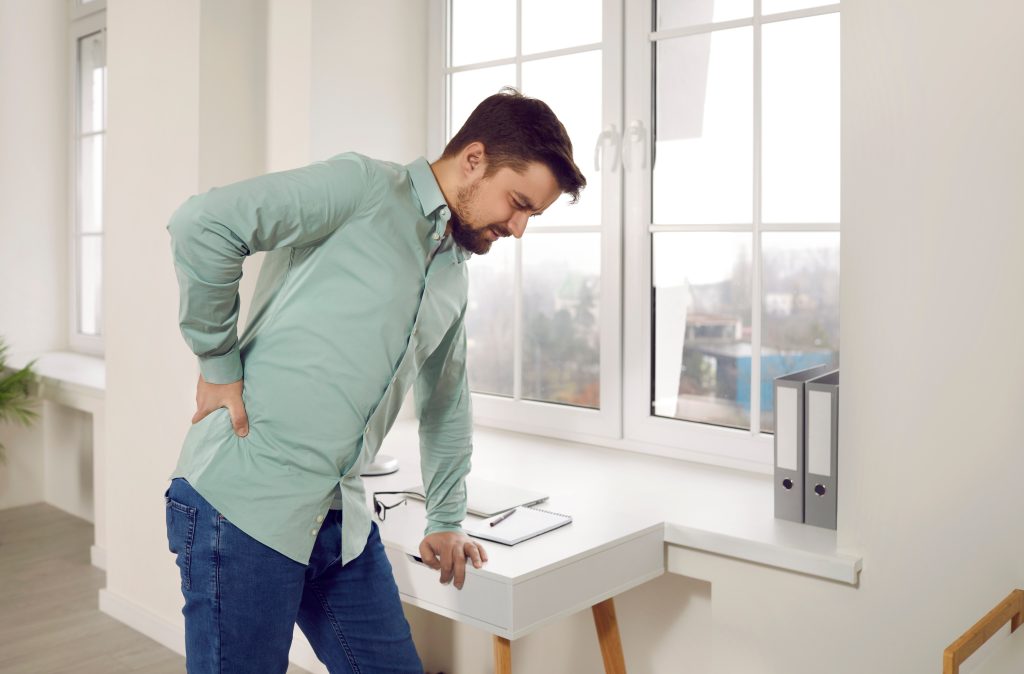
If you’ve ever felt a sharp, burning pain that starts in your lower back and travels down your leg, you may already know how disruptive sciatica can be. For some people it’s a dull ache that lingers for weeks. For others, it’s a sudden stabbing pain that makes simple things like sitting, standing, or driving incredibly uncomfortable.
Because sciatica involves the nerves in your spine, many people assume there’s little that can be done beyond rest or painkillers. But in many cases, addressing the underlying cause of nerve irritation can significantly improve symptoms.
This leads many people to ask an important question:
Can a chiropractor help with sciatica?
Chiropractic care may help some people with sciatica by addressing musculoskeletal factors that can contribute to symptoms, improving movement and supporting recovery after an appropriate assessment. In this guide we’ll explain what sciatica is, what causes it, and how chiropractic treatment may help.
If you’re currently experiencing sciatic pain, the team at Falcon Health may assess and, where appropriate, treat this condition through a combination of chiropractic care, physiotherapy and rehabilitation.
What Is Sciatica?
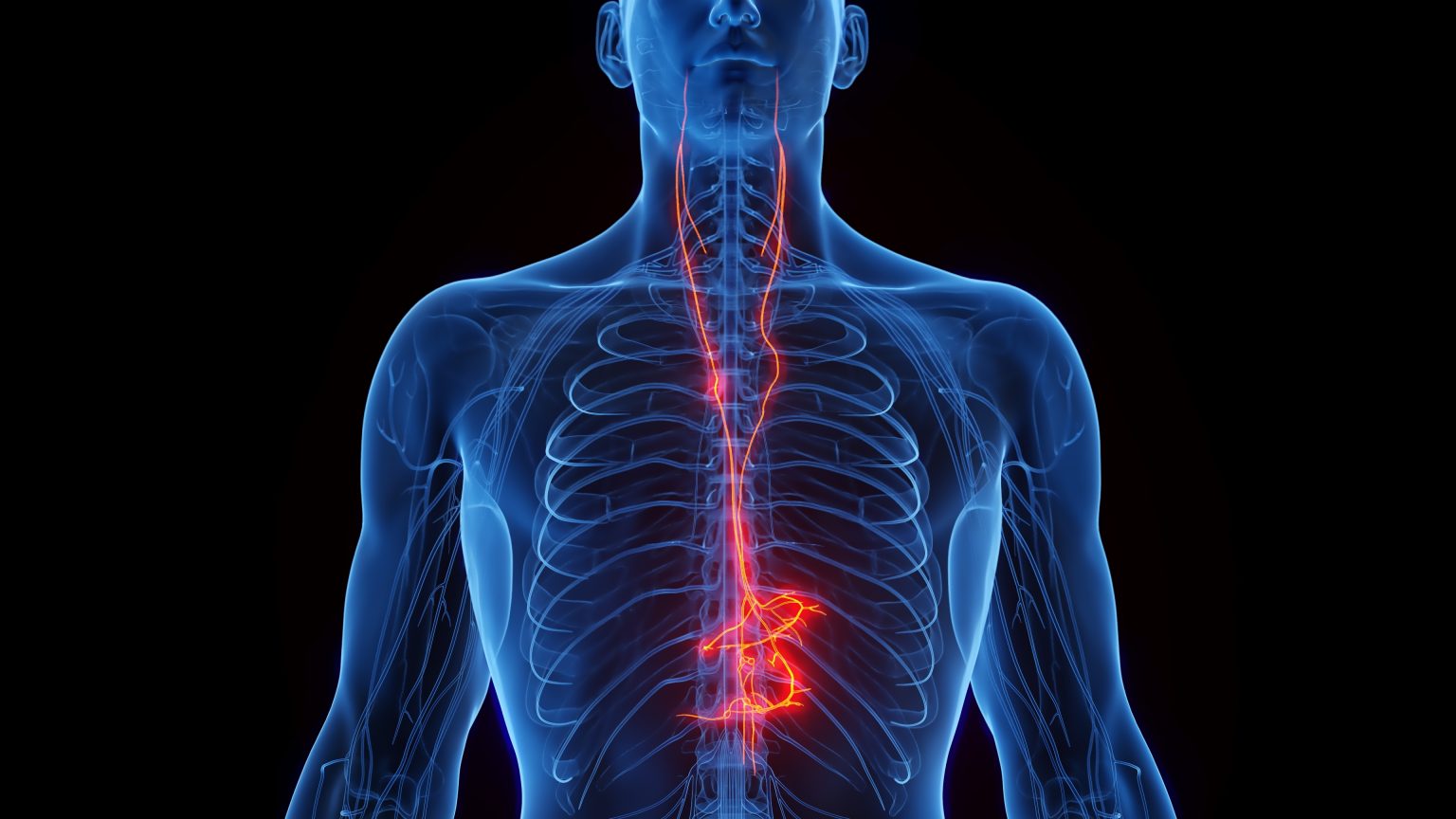
Sciatica refers to pain caused by irritation or compression of the sciatic nerve, the longest and largest nerve in the human body.
The sciatic nerve begins in the lower spine and travels through the buttocks and down each leg. When something presses on or irritates this nerve, it can cause symptoms that radiate along its path.
Typical symptoms include:
- Pain that travels from the lower back into the buttock or leg
- Burning or shooting pain in the leg
- Tingling or “pins and needles”
- Numbness in the leg or foot
- Weakness in the affected leg
- Pain that worsens when sitting for long periods
Sciatica usually affects one side of the body, although symptoms can vary in intensity. Some people experience mild discomfort, while others struggle with severe nerve pain that interferes with daily activities.
What Causes Sciatica?
Sciatica is not actually a condition itself — it’s a symptom of an underlying problem affecting the spine or surrounding structures.
Common causes include:
Herniated or Bulging Disc
A spinal disc can bulge or rupture, placing pressure on nearby nerves. This is one of the most common causes of sciatica.
Spinal Joint Dysfunction
Restricted movement in the joints of the spine can irritate surrounding nerves and contribute to sciatic pain.
Muscle Tightness
Tight muscles in the hips or glutes — particularly the piriformis muscle — can compress the sciatic nerve.
Degenerative Changes
Age-related changes such as arthritis in the spine may narrow spaces where nerves exit the spine.
Poor Posture or Prolonged Sitting
Modern lifestyles involving long periods of sitting can increase stress on the lower back and contribute to nerve irritation.
Identifying the root cause of sciatic nerve irritation is an important step in choosing the most effective treatment.
Can a Chiropractor Help with Sciatica?
Chiropractors specialise in diagnosing and treating musculoskeletal conditions involving the spine, joints and nerves. Because sciatica usually originates from issues in the lower back, chiropractic care may help address musculoskeletal factors that can contribute to sciatic symptoms.
At Falcon Health, treatment typically begins with a comprehensive assessment to determine what is causing the sciatic symptoms.
This may involve:
- Reviewing your medical history
- Assessing posture and spinal movement
- Orthopaedic and neurological testing
- Identifying areas of joint restriction or muscle tension
Once the underlying cause is identified, treatment can focus on improving movement and reducing irritation associated with the affected area.
Chiropractic Treatments That May Help Sciatica
Spinal Adjustments
Chiropractic adjustments aim to improve mobility in restricted spinal joints. Restoring normal joint movement may help reduce mechanical irritation in the lower back and improve spinal function.
These adjustments are controlled, precise movements designed to restore motion to specific joints.
Soft Tissue Therapy
Muscles around the lower back, hips and glutes often tighten when the sciatic nerve becomes irritated. Soft tissue techniques may be used to reduce tension in these muscles and improve flexibility.
This may help ease tension around the affected area and improve movement.
Rehabilitation Exercises
Strengthening exercises can play an important role in supporting recovery and reducing the likelihood of symptoms returning.
These may focus on:
- Core stability
- Hip mobility
- Glute strength
- Postural support
Exercise-based rehabilitation is often integrated with Physiotherapy, which is also available at Falcon Health.
Posture and Lifestyle Advice
Many cases of sciatica are linked to everyday habits such as prolonged sitting, poor workstation setup, or repetitive movements.
Your practitioner may provide advice on:
- Sitting posture
- Workstation ergonomics
- Lifting technique
- Activity modification
Addressing these contributing factors can support recovery.
How Long Does Sciatica Take to Improve?
The recovery time for sciatica varies depending on the cause and severity.
The recovery time for sciatica varies depending on the cause and severity. Mild cases may improve within a few weeks, while more complex cases may take longer. Early assessment and appropriate conservative care may help support recovery and reduce ongoing irritation.
Many cases improve without surgery, although recovery varies and the most appropriate care depends on the underlying cause.
When Should You Seek Professional Help?
While mild back pain may resolve on its own, you should consider seeking professional advice if:
- Pain travels down your leg
- Symptoms last longer than a week
- You experience numbness or tingling
- Pain interferes with walking, sleeping or sitting
- The pain is getting worse
Early assessment can help identify the underlying cause and guide appropriate treatment. Seek urgent medical advice if you develop bowel or bladder changes, saddle numbness, significant leg weakness, or symptoms after serious trauma.
Sciatica Treatment in Burgess Hill
If you’re struggling with sciatic nerve pain, an assessment with an experienced clinician can help determine the cause and create a personalised treatment plan.
At Falcon Health, the team provides integrated care that may include chiropractic treatment, physiotherapy and rehabilitation exercises, where clinically appropriate.
The aim is to help relieve symptoms, improve movement and reduce the risk of future flare-ups.
If you’d like to learn more about the treatments available, you can explore the clinic’s Chiropractic Treatment services or book an assessment with one of the team.
Take the First Step Toward Relief
Sciatica can make everyday activities uncomfortable, but effective management is often possible once the cause of the nerve irritation is understood.
If you’re experiencing pain that travels down your leg, getting the right assessment early can make a significant difference.
The experienced team at Falcon Health can help identify what’s causing your symptoms and guide you toward the most appropriate treatment.
Book an appointment today and start your journey back to comfortable movement.